Use E5 only when your classic requires it, then make a vehicle-specific fuel plan before winter storage. E5 means up to 5% ethanol, not zero ethanol. It is usually sold as premium 97-octane or higher petrol at most UK filling stations. PetrolPal's 25 September snapshot put premium unleaded at 189.6p per litre, 16.4p above standard unleaded.
A safe lay-up is more than choosing a pump. Confirm compatibility, inspect old hoses and seals, decide whether fuel will stay in the car, protect the battery and tyres, control moisture, and complete proper restart checks. The handbook, manufacturer and a model specialist should settle any conflict with this general checklist.
Should Your Classic Car Use E5 Before Winter Storage?
Use the fuel approved for the exact vehicle and fuel system. The Department for Transport says E10 is compatible with about 95% of petrol vehicles on UK roads and all cars built since 2011. Classic, cherished and some older vehicles can fall outside that group.
Start with the official GOV.UK E10 checker. Then check the handbook, manufacturer information and advice from a model specialist or recognised owners' club. Age by itself is not a compatibility test. Two cars from the same decade can use different hoses, seals, carburettors or replacement parts.
If the vehicle is not approved for E10, use E5. GOV.UK says E5 remains available as the super grade, usually 97 octane or higher, at most filling stations. Small or remote forecourts may offer only one petrol grade. Plan the final fill before you reach the storage location.
Do not assume every premium product is E5. The circular label on the pump and nozzle is the decisive forecourt check. The product name describes a retailer's grade, while the E5 or E10 mark states the maximum ethanol content.
The same rule applies in reverse. An E10-compatible classic does not automatically need premium E5 for winter. Follow its octane requirement and storage guidance. Paying more is not proof of better storage protection.
Why Can Ethanol Matter in an Older Fuel System?
The issue is material compatibility, not a claim that ethanol damages every classic. The Federation of British Historic Vehicle Clubs identifies possible corrosion in metal parts, changes to incompatible elastomers, seals, hoses and gaskets, and a leaner air-to-fuel mixture.
Previous repairs can change the answer. A car may have modern ethanol-resistant hoses but an old pump diaphragm. Another may retain original seals but have a refurbished tank. Inspect the full path from filler neck to carburettor or injection system. Look for cracks, softness, swelling, seepage, staining and a strong fuel smell.
Fix leaks before storage. Petrol vapour and liquid fuel create a fire risk, and a small leak can worsen while the car sits unattended. If you do not know the material used in a replacement hose or seal, ask the supplier or specialist rather than judging it by appearance.
Additives need the same care. FBHVC no longer endorses individual aftermarket additives because products and claims change. Use a stabiliser, corrosion inhibitor or lead-replacement product only when it suits the vehicle and fuel, then follow the stated dose. An additive cannot make an incompatible hose safe or change the engine's octane requirement.
How Much More Does the Premium Grade Cost?
PetrolPal's detailed UK data on 25 September recorded standard unleaded at 173.3p per litre across 7,899 prices. Premium unleaded averaged 189.9p across 6,253 prices. The separate public embed summary listed 173.2p and 189.6p using its own summary method (PetrolPal live data).
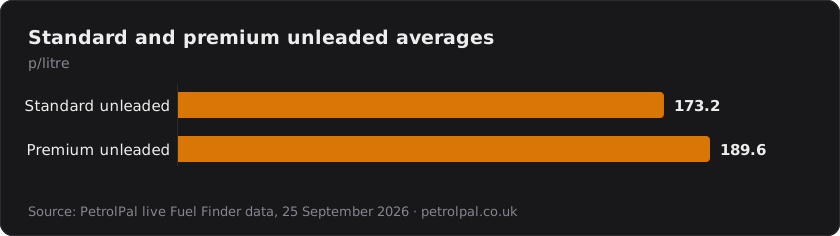
Using the rounded public figures, the premium-grade gap was 16.4p per litre. That adds about £8.20 to 50 litres. This compares listed standard and premium grades. PetrolPal does not verify the ethanol label on each pump, so it is not a direct national E5-versus-E10 price index.
The data still gives a useful planning signal. Premium records numbered about 79% of standard-unleaded records in the detailed sample. Availability varies by area, and the government says E5 is sold at most rather than all filling stations. Use PetrolPal's fuel map to shortlist premium stations, then confirm the E5 label before filling.
Do not make a long special journey only to save a small amount per litre. Compare the saving with the fuel and time used by the detour. For a car that requires E5, reliable availability matters more than finding the absolute lowest national price.
Should You Store the Car With a Full or Empty Tank?
There is no single safe answer for every classic. A fuller tank can reduce the air space in some metal tanks. The RAC lists draining as one long-storage option, while FBHVC guidance warns against leaving a fuel system dry. The conflict is why tank condition, storage duration, fuel-system design and vehicle-specific advice must decide the plan.
The RAC says petrol quality starts to decline after a few months. It gives about six months in a sealed container at 20°C and about three months at 30°C as general indications. A vehicle tank is not the same as a sealed laboratory container, so do not treat those periods as guarantees.
For a normal winter lay-up, make the decision before the final drive:
- Confirm whether the vehicle accepts E5, E10 or both.
- Estimate the real storage period, including possible delays in spring.
- Inspect the tank and fuel system for rust, leaks and perished parts.
- Follow the maker or specialist's tank-level guidance.
- Add only a compatible stabiliser if the instructions support the planned period.
- Record the fuel, additive, dose and storage date.
Never drain petrol casually. It needs approved containers, safe handling and lawful disposal. Do not store fuel inside the passenger compartment, in open containers or near ignition sources. If draining is the approved route, a competent workshop can reduce the handling risk.
What Should You Check Before the Car Goes Into Storage?
Wash away road salt, mud and damp debris, then let the car dry. Clean wheel arches, chassis traps and drain channels without forcing water into electrical parts. A breathable vehicle cover can protect the paint, but the storage space and cover must not trap moisture against the body.
Check coolant only when the engine is cold. Use the type and mixture specified in the handbook. The RAC winter guide notes that the correct coolant mix protects against freezing and overheating. Do not top up an unknown mixture with a random antifreeze.
Use this pre-storage checklist:
- Change contaminated oil if the service schedule or specialist recommends it.
- Check coolant strength, brake fluid condition and visible fluid leaks.
- Inflate tyres to the vehicle's approved storage or road pressure.
- Clean and dry the interior, then remove food and damp materials.
- Protect openings from pests without blocking required ventilation.
- Release the handbrake only if the car is safely secured by the approved alternative.
- Connect a compatible smart battery maintainer, or follow the maker's battery procedure.
- Record mileage, tyre pressures, fuel details and work completed.
Do not disconnect a battery automatically. Alarms, radios, immobilisers and control units can have specific requirements. A maintainer must suit the battery chemistry and operate in a dry, safe location. If the battery is removed, secure and charge it according to its maker's instructions.
Tyres also need vehicle-specific treatment. Correct pressure, clean ground and suitable support help, but do not add an arbitrary amount of pressure or place the car on stands without approved lifting points. Check the handbook or ask a specialist when storage will last several months.
Should You Start the Engine During Winter Storage?
Do not start the engine only to let it idle for a few minutes. A short idle may not bring the engine, exhaust and transmission fully to operating temperature. It can leave moisture in systems that never became hot enough to dry.
Either store the car properly or use it for a suitable run when conditions, insurance, tax, MOT status and road safety allow. A useful drive must warm the complete vehicle and exercise the brakes, gearbox and tyres. A salty road can create more cleaning work, so driving is not always the best preservation choice.
If the car must remain stationary, follow its storage plan. Check for leaks, pests, damp, tyre pressure and battery condition without unnecessary starting. Turn the engine by hand or prime oil pressure only when the vehicle's approved procedure calls for it.
Keep a dated log. It prevents repeated additive dosing, missed charging and uncertainty about when the fuel entered the tank. It also gives a specialist useful evidence if the engine runs poorly in spring.
How Should You Restart a Classic After Winter?
Treat the first start as a safety check, not a ceremony. Open the storage area, inspect for fuel vapour and look under the car before operating any electrical switch. Stop if you find liquid fuel, damaged wiring or signs that pests reached hoses, filters or insulation.
Before starting:
- Remove covers, intake plugs, exhaust plugs and pest barriers.
- Check engine oil, coolant, brake fluid and other specified fluids.
- Inspect fuel hoses, unions, filters and the tank area for leaks.
- Check battery condition, connections and charge.
- Set tyre pressures and inspect sidewalls and tread.
- Confirm brakes operate and are not binding.
- Check lights, wipers, mirrors and number plates.
- Confirm MOT, tax or SORN, insurance and roadworthiness status.
Use the manufacturer's starting procedure. Some classics require fuel priming or an oil-pressure step after a long pause. Do not improvise with excessive cranking or starting fluid. If fuel smells stale, the engine runs badly or a hose becomes wet, switch off and investigate.
Take the first drive gently. Test the brakes at low speed on private land or a safe road before joining faster traffic. Listen for bearing, belt, brake and exhaust noises. Recheck leaks and fluid levels after the car cools.
What Is the Simple Winter Storage Plan?
Confirm fuel compatibility first. If the car needs E5, locate a suitable premium forecourt and check the pump label. PetrolPal's 25 September public figures show why planning matters: premium unleaded averaged 189.6p per litre, 16.4p above standard and appeared in fewer price records.
Next, inspect the fuel system and choose a documented tank plan. Prepare the cooling system, battery, tyres, brakes, body and storage space. Avoid casual draining and repeated short idling. In spring, complete a full leak, fluid, battery, tyre and brake inspection before a gentle first drive.
That process separates three different questions: which fuel the car can use, how that fuel should be stored, and whether the whole vehicle is ready to sit. Keep each decision tied to the exact car, not a general claim about all classics.